

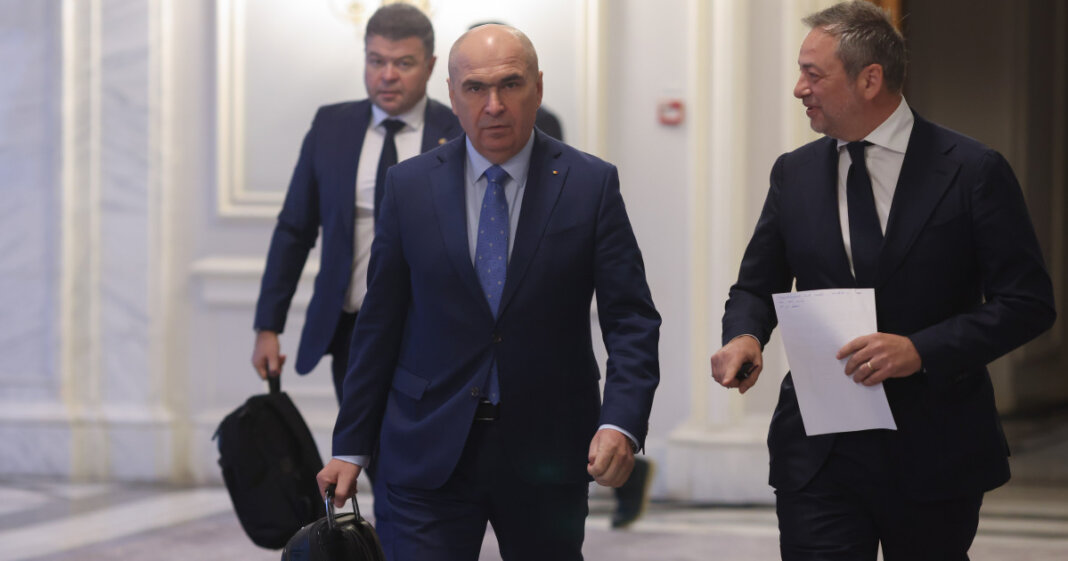
Opinions conflicting in PNL
During a recent session of the National Liberal Party (PNL), differing opinions emerged regarding the direction the party should take in the current political landscape. Some members advocate for a change in strategy to more effectively address political and electoral challenges. They argue that, to maintain relevance and increase influence, PNL must be willing to explore new alliances and partnerships, even with political formations they have not collaborated with before.
On the other hand, a significant faction within the party opposes this approach, believing that such a change could compromise the fundamental values of PNL. These members feel that the party should stay true to its traditional principles and avoid alliances with parties whose ideologies are not compatible with that of the liberals. They emphasize the risk of losing political identity and loyal supporters, which could have negative long-term consequences.
These conflicting opinions reflect the internal tensions within PNL as the party tries to find a balance between adapting to new political realities and maintaining ideological coherence. The debates have been heated, and the party leaders face the challenge of finding a consensus that satisfies both sides without jeopardizing the stability and unity of the political formation.
Discussions on political alliances
In the discussions surrounding political alliances, PNL members explored various options that could help the party strengthen its position on the political stage. A portion of the participants in the session proposed initiating negotiations with smaller parties, such as AUR or SOS, arguing that such a move could bring new energy and attract a young electorate eager for change. They highlighted that, in the context of a fragmented political landscape, strategic collaborations could be the key to success in upcoming elections.
However, the proposal was not warmly received by all members. Some raised serious objections, warning about the risks associated with forming alliances with parties that promote radical ideologies or have a history of controversial statements and actions. They underscored the importance of maintaining a clear political identity and noted that by associating with such formations, PNL could lose the support of traditional voters and suffer significant reputational damage.
Despite the divergences, there was agreement on the need to continue the dialogue and carefully evaluate each option before making a final decision. PNL leaders emphasized that any alliance must be well-founded and provide tangible benefits to the party without compromising liberal values and principles. It was also established that any decision would be made following extensive consultations with all members and local structures to ensure a broad representation of the party’s interests.
Arguments for and against negotiations
The arguments in favor of negotiations with parties like AUR or SOS are varied and focus on potential strategic benefits. Supporters of this idea believe that such alliances could broaden PNL’s electoral base by attracting voters from demographic segments that have not been accessed until now. Additionally, collaborations could provide PNL with a numerical advantage in Parliament, facilitating the promotion of legislation and influencing major political decisions. In a fragmented political landscape, alliances can ensure stability and prevent political isolation.
On the other hand, the arguments against focus on the risks associated with such alliances. Critics emphasize that parties like AUR or SOS have ideological positions that may conflict with the traditional liberal values of PNL. They warn that an association with formations perceived as radical or controversial could negatively impact PNL’s public image and lead to a loss of trust among moderate voters. There is also a concern that alliances could result in ideological compromises that dilute the party’s message and identity.
During debates, practical aspects related to the viability of negotiations were also discussed. Some members highlighted the difficulties of coordinating different political agendas and maintaining unity within a diverse alliance. They pointed out that while alliances may bring short-term benefits, in the long term, they could create internal tensions and conflicts of interest that affect the party’s stability.
The impact on political future
The impact on PNL’s political future is one of the most discussed aspects in recent meetings, considering the potential consequences of decisions regarding political alliances. Some political analysts argue that if PNL chooses to form alliances with parties like AUR or SOS, it could lose part of its traditional identity and distance a segment of its loyal electorate. This could lead to a decrease in public trust in the party and a diminishing of its influence on the political stage.
Conversely, supporters of strategic alliances argue that they could revitalize the party, giving it a competitive edge in future elections. By expanding the electoral base and attracting new voters, PNL could gain ground against its main political rivals. This could lead to a stronger positioning in Parliament and a greater ability to influence major political decisions, thus ensuring a significant role in shaping the political future of the country.
At the same time, the impact on political future also depends on how PNL manages any internal and external tensions that may arise from these decisions. The party’s cohesion and its ability to maintain unity in the face of challenges will be crucial. PNL leaders must be careful to balance adapting to new political realities while upholding the fundamental values of the party to ensure sustainability and long-term success.
Thus, the political future of PNL will largely depend on the strategic decisions it makes in the coming period and its ability to successfully navigate through the complexities of the current political landscape. Whatever direction is taken, it will…
Sursa articol / foto: https://news.google.com/home?hl=ro&gl=RO&ceid=RO%3Aro


, au apărut opinii divergente cu privire la direcția pe care ar...)