

Influence of moderation calls
Moderation calls regarding energy consumption, initiated by Ilie Bolojan, have significantly influenced the energy behavior of Romanians. These appeals have been driven by the need to reduce excessive consumption and promote a more sustainable lifestyle. Following these initiatives, a shift in public attitudes toward energy consumption has been observed, with people becoming more aware of the importance of resource conservation and its impact on the surrounding environment. Many households have begun to adopt simple yet effective measures to lower their energy bills, such as utilizing energy-efficient appliances, turning off lights when not needed, and reducing hot water consumption. These behavioral changes are crucial not only for lowering individual costs but also for diminishing overall energy demand at the national level, thereby contributing to the stability of the energy system and environmental protection. Furthermore, information and education campaigns conducted on this topic have played a key role in strengthening these practices, demonstrating that a collective and coordinated approach can yield significant results.
Energy consumption trends
In the current context, trends in energy consumption among Romanians reflect an adaptation to new economic and social realities. Recent data indicates an increase in interest in renewable energy sources, such as solar panels and geothermal heating systems, signaling a paradigm shift in how households manage their energy consumption. At the same time, there is a rise in the use of smart devices that monitor and optimize energy consumption, thus contributing to a more efficient use of available resources.
Another important aspect is represented by seasonal changes, which significantly influence energy consumption. During the winter months, electricity and natural gas consumption tends to rise due to the need for heating, while in the summer months, energy demand increases as a result of air conditioning usage. These seasonal variations necessitate careful planning and efficient resource management to ensure a balance between supply and demand.
Additionally, demographic trends and urbanization play a crucial role in shaping energy consumption. Urban expansion leads to increased energy demand in cities, while rural areas, although exhibiting lower consumption, are beginning to adopt modern technologies that can influence consumption patterns. These dynamics require tailored solutions and policies adapted to meet the diverse needs of various regions and population segments.
Analysis of Transelectrica data
The analysis of data provided by Transelectrica highlights significant changes in the energy consumption patterns of Romanians following moderation calls. The data shows a considerable reduction in energy consumption during peak periods, suggesting that these appeals have had a direct effect on how people manage their consumption. Furthermore, a more even distribution of consumption throughout the day has been observed, which contributes to better stability of the power grid.
Examining technical details, a decrease in consumption among urban households, which have more quickly adopted energy efficiency measures compared to rural ones, is noticeable. Additionally, data indicates an increase in energy efficiency in the industrial sector, where companies have implemented advanced solutions to optimize production processes.
Another aspect highlighted by Transelectrica’s data is the growing contribution of renewable energy sources to the national energy mix. This trend is encouraged by investments in green energy infrastructure and government subsidies supporting the transition to more sustainable sources.
In conclusion, the analysis of Transelectrica’s data demonstrates that moderation calls and policies promoting energy efficiency are starting to yield tangible results. These not only help reduce pressure on the national grid but also contribute to Romania’s sustainability goals, ensuring a more responsible use of available energy resources.
Measures for energy efficiency
To improve energy efficiency at the national level, authorities and energy experts have proposed a range of concrete measures aimed at optimizing energy consumption and reducing waste. One primary measure focuses on modernizing energy infrastructure through investments in smart grids that allow for real-time monitoring and management of energy consumption. These smart grids are essential for responding swiftly to demand fluctuations and integrating renewable energy sources into the national system.
Another crucial aspect is the implementation of fiscal policies that encourage energy savings. Reducing taxes on energy-efficient equipment and offering subsidies for renovating older buildings are measures that can motivate the public to adopt sustainable solutions. Additionally, public education and awareness programs play a vital role, informing citizens about the benefits and methods of energy saving.
In the industrial sector, the promotion of advanced technologies that reduce energy consumption and increase productivity is emphasized. This includes introducing automated production lines and optimizing processes through the use of energy management software. Companies are encouraged to conduct periodic energy audits to identify areas with savings potential and implement tailored solutions for cost reduction.
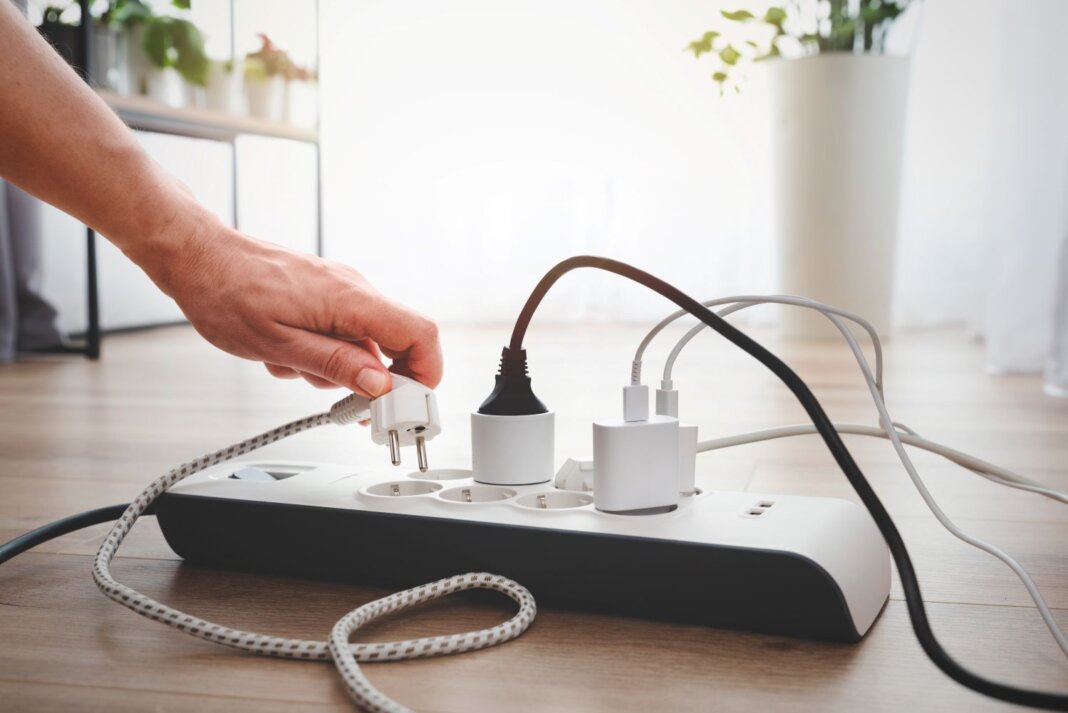
At the household level, adopting a set of best practices to contribute to energy savings is recommended. These include using LED bulbs, installing programmable thermostats, and ensuring effective thermal insulation of homes. Additionally, the use of high-energy-class appliances and unplugging electrical devices when not in use is encouraged.
These measures, combined with a clear and coherent regulatory policy, have
Sursa articol / foto: https://news.google.com/home?hl=ro&gl=RO&ceid=RO%3Aro