

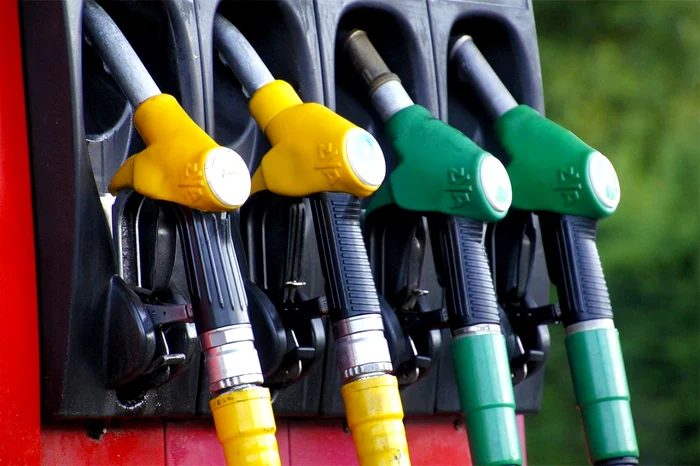
Effect of price cap on the domestic market
Imposing a cap on the commercial markup for fuels has led to a series of effects on the domestic market, affecting both pump prices and consumer behavior. By setting a maximum threshold for the commercial markup, the government aimed to shield consumers from excessive increases in gasoline and diesel prices, amidst the volatility of the international oil market. This measure was designed to maintain a balance between the economic needs of suppliers and consumer protection, assisting in sustaining economic stability for households with medium and low incomes.
An immediate effect of the price cap was seen in the stabilization of pump prices, which resulted in a slight increase in domestic demand, with consumers being less hesitant to use their personal vehicles. Additionally, fuel station operators had to adjust their business strategies to comply with the new regulations, leading to increased competition in the market. Simultaneously, the price cap constrained distributors’ profit margins, forcing them to optimize their operational costs to maintain profitability.
Another significant effect was the heightened importance of logistical planning and inventory management, aimed at reducing additional costs and maximizing operational efficiency. In some instances, this led to improved collaboration between distribution companies and logistics service providers, ensuring a steady flow of products in the market without generating excess inventory.
Proposed measures for exports
In the context of the new regulations, the government proposed a range of measures to limit fuel exports, aimed at ensuring their availability in the domestic market. One of the main measures focuses on the introduction of maximum export quotas, allowing for the satisfaction of domestic demand before considering sales abroad. These quotas are set based on detailed analyses of domestic consumption and production capacities, and companies must adhere to these limits to avoid severe penalties.
Another important measure is the imposition of additional taxes on fuel exports, designed to discourage external sales and encourage companies to prioritize the local market. These taxes are calibrated according to the volume of exports and the type of product, with the intention of making international sales of fuels less attractive compared to local supply.
Furthermore, the government has introduced a licensing system for exporters, requiring special permits to be obtained before engaging in export activities. This system aims to provide authorities with tighter control over fuel flows and to ensure that exports do not compromise the country’s energy security. Companies wishing to export must demonstrate that they have fulfilled all obligations to the domestic market and that exports will not negatively impact the local availability of products.
These measures are designed to create a balance between the economic needs of companies and the necessity to protect domestic consumers from fluctuations in the international market. By implementing these regulations, authorities hope to maintain price stability and ensure a constant supply of fuels for the population, while encouraging companies to enhance their
Industry reactions
The oil industry responded in various ways to the measures imposed on the commercial markup cap for fuels and the limitation of exports. Some sector operators expressed concerns about the impact of these regulations on their profitability and business sustainability. In particular, companies relying on high profit margins to cover operational costs and infrastructure investments warned that the cap on commercial markups could lead to a decline in service quality.
On the other hand, some industry players welcomed the government’s initiative, believing it would contribute to market stabilization and increased consumer confidence. They emphasized the importance of a stable and predictable domestic market, which would allow for long-term planning and encourage investments in more efficient and environmentally friendly technologies.
Professional associations in the field have called for ongoing dialogue and consultation with authorities to ensure that regulations are adapted to market realities and do not affect the competitiveness of the local industry. They have also highlighted the need for compensatory measures to support companies in adjusting to the new economic conditions.
Overall, reactions from the industry highlight a division between those who see these measures as an opportunity to improve operational efficiency and those who view them as a threat to their business model. In this context, the success of implementing these regulations largely depends on the government’s ability to maintain an open and constructive dialogue with all parties involved, ensuring that economic interests are balanced with the need to protect consumers.
Long-term economic perspectives
In the long run, the measures capping the commercial markup on fuels and limiting exports could have significant implications for the national economy. First, stabilizing prices in the domestic market may contribute to increasing consumers’ purchasing power and stimulating domestic demand. This could generate a multiplier effect in the economy, leading to increased consumption and, consequently, production in other related sectors.
However, there are also risks associated with these regulations. Limiting profit margins and exports could reduce the attractiveness of foreign investments in the energy sector, potentially affecting the capacity for modernization and development of fuel distribution infrastructure. Moreover, companies may face challenges in maintaining competitiveness in the international market if domestic regulations are perceived as overly restrictive.
Conversely, in the context of the transition to more sustainable energy sources, these measures could accelerate the adoption of green technologies and alternative energy solutions. Encouraging investments in renewable energy and energy efficiency could offset, in the long term, some of the negative effects of current regulations on the traditional fuel sector.
In conclusion, the long-term success of these measures hinges on the authorities’ ability to adjust regulations based on market developments and support both companies and consumers during the transition to a more sustainable economy. It is essential that public policies are flexible and consider the international context, ensuring that Romania remains competitive in the global market while protecting the economic interests of its citizens.
Sursa articol / foto: https://news.google.com/home?hl=ro&gl=RO&ceid=RO%3Aro