

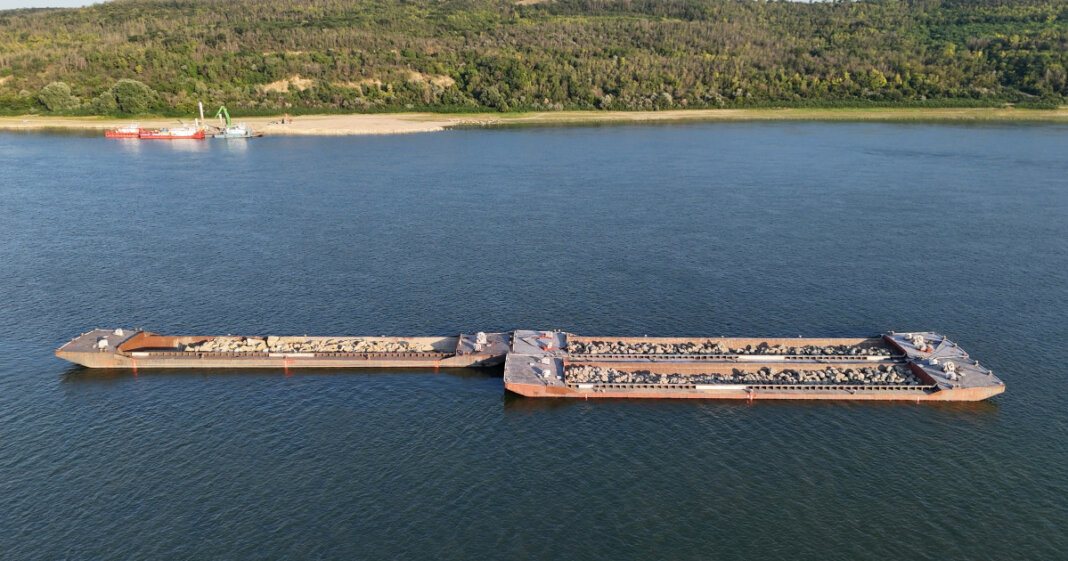
Influence of Bar Formation on the Danube’s Flow
The formation of the bar along the Danube’s course has significantly influenced the river’s flow rate. Structural alterations in the riverbed have resulted in reduced water volume being carried in certain sections, thereby impacting the natural flow of the river. This situation has raised concerns among hydrology experts, who warn about the potential risks of drying significant sectors, especially during prolonged drought periods. Additionally, variations in water levels have been observed, which may lead to navigation difficulties and issues for existing infrastructure, such as ports and water pumping facilities. This phenomenon could have long-term effects on the local ecosystem, disrupting the natural habitats of the area’s flora and fauna.
Effects on Local Communities and the Economy
Local communities that rely on the Danube for economic activities and subsistence are already experiencing negative effects from the bar’s formation. Fishing, a vital source of income for many residents in the region, has been impacted due to changes in water levels and reduced flow. Fish are migrating more slowly, and catches are decreasing, endangering the livelihoods of local fishermen.
Agriculture is also affected, as irrigation heavily depends on the river’s flow. Farmers are facing challenges in providing sufficient water for their crops, which may lead to significant declines in agricultural production. Moreover, the transportation of goods along the Danube, a crucial component of the regional economy, encounters major obstacles due to reduced navigability. This can result in delays and additional costs for carriers and merchants.
Tourism, another important sector for the communities along the Danube, is also suffering. The drop in water levels and navigation challenges affect cruises and boat trips, decreasing visitor numbers and, consequently, the revenue generated from this sector. Overall, the impacts on the local economy are significant, and residents are worried about the long-term outlook if the issue is not effectively addressed.
Proposed Measures for Managing the Situation
In light of these challenges, authorities and experts have proposed a range of measures to manage the situation created by the bar formation on the Danube. One of the main solutions discussed is the dredging of the riverbed, an intervention aimed at removing sediment accumulations that have led to the bar’s formation. This operation could help restore normal water flow and improve navigability on the river.
Additionally, long-term solutions are being considered, such as bank reinforcement and the implementation of continuous monitoring systems for water levels and flow. These preventive measures could ensure a rapid response in the event of future sediment accumulations or alterations in the riverbed.
Moreover, improving irrigation infrastructure is suggested to ensure more efficient use of available water resources, so that farmers are not drastically affected by fluctuations in the Danube’s flow. Regarding the fishing sector, discussions are underway about introducing fish repopulation programs and supporting fishing communities through temporary subsidies until optimal fishing conditions are restored.
Another important aspect is international cooperation, given that the Danube crosses multiple countries. Cross-border collaboration could facilitate the implementation of common and effective solutions for managing the river’s resources and protecting its ecosystem.
Reactions and Official Statements
Following the formation of the bar on the Danube, officials have begun to offer reactions and make statements regarding the current situation. The Minister of Environment emphasized the importance of continuous monitoring of flow and water levels, noting that the government is closely cooperating with experts to find quick and effective solutions. He stated that „the situation is concerning and requires a coordinated approach to prevent long-term negative effects on the environment and local economy.”
Additionally, local authority representatives have called for calm and encouraged citizens to trust the measures that will be implemented. The mayor of an affected locality stated that „we are aware of the difficulties our communities are facing, but we are determined to act quickly and effectively to minimize the impact of this situation.”
In the international context, officials from the Danube riparian countries have been invited to a series of meetings to discuss the cross-border impact of the bar formation. They have underscored the need for close collaboration and coordinated actions to ensure the protection and sustainable management of the river’s resources. „The Danube is a symbol of international cooperation, and we must work together to protect this natural heritage,” a European official stated.
Non-governmental organizations have also expressed their views, calling for transparency and the involvement of civil society in the decision-making process. They have highlighted the importance of assessing environmental impacts and identifying solutions that do not harm the delicate ecosystem of the Danube. „It is crucial to adopt a balanced approach that considers both economic needs and environmental ones,” a representative stated.
Sursa articol / foto: https://news.google.com/home?hl=ro&gl=RO&ceid=RO%3Aro